MultiBrowser Review 2026: Pricing, Tests & Best Alternative
Try Gologin for free
I tested MultiBrowser as part of my browser review series. It serves developers and QA teams who test websites and apps. Here is what I found about its features, pricing, setup, and reliability, and how its purpose differs from Gologin’s.
MultiBrowser is a local testing suite for websites and apps, while Gologin manages persistent browser profiles and account workflows. I ran into frustrating setup steps, but judging MultiBrowser solely as a privacy browser would miss its intended purpose.
TL;DR
- MultiBrowser provides browser comparisons, responsive and visual checks, test recording, Selenium Grid, and newly added Appium tools. It serves developers and QA teams.
- The evaluation costs USD 0.99 for one day. MultiBrowser costs USD 19.99 per user monthly, or USD 99 per user for a perpetual license with one year of updates. Gologin starts at USD 9/month for ten profiles, or USD 4.50/month with annual billing.
- My installation stalled for about 15 minutes before a retry worked. Each browser package then needed its own download. My browser selector listed Chrome 148 as its newest Chrome option.
- For account automation, Gologin is my choice: its API, MCP integration, and AI Assistant work with persistent browser profiles. For a new cross-browser QA project, I would choose an AI-assisted testing framework.
| Comparison | MultiBrowser | Gologin |
|---|---|---|
| Main purpose | Website and app testing | Persistent profiles and account automation |
| Entry access | USD 0.99 / one-day evaluation | Three free profiles; seven-day trial |
| Paid entry | USD 19.99/user/month; USD 99 perpetual license with one year of updates | USD 9/month; USD 54/year for ten profiles |
| Automation | Recorder, Selenium Grid, Appium | REST API on every paid plan, MCP integrations, AI Assistant |
| Browser coverage | Multiple browser families and versions | Chromium-based profiles |
| Proxy allowance | No included traffic listed | 2 GB included from the USD 9 plan |
| My choice | Established local QA workflows | Prefer for ongoing account automation |
Disclosure: This review is published by Gologin. I tested the Windows app and distinguished my observations from advertised features.
Gologin vs. MultiBrowser: Different Goals
MultiBrowser checks whether a site renders and behaves correctly across browser versions and device layouts. A developer might compare a navigation menu in Chrome and Firefox, reproduce a bug in an older browser, or check how a checkout page fits on a smaller screen.
Gologin saves profiles with separate cookies, storage, fingerprint settings, and proxies. That makes it the more relevant option when I need to return to the same authorized account, share a profile with a colleague, or automate a task in a saved session.
The overlap is automation. MultiBrowser checks compatibility across browser families, while Gologin keeps separate accounts ready for repeatable work. The choice comes down to the task: QA coverage or persistent account sessions.
Supported Platforms and Devices
Gologin offers native applications for Windows, macOS, and Linux, plus Android and iOS apps; the iOS app syncs profiles with the desktop app. Paid plans also include Cloud Android. MultiBrowser also provides Windows, macOS, and Linux downloads. My hands-on test used the Windows build.
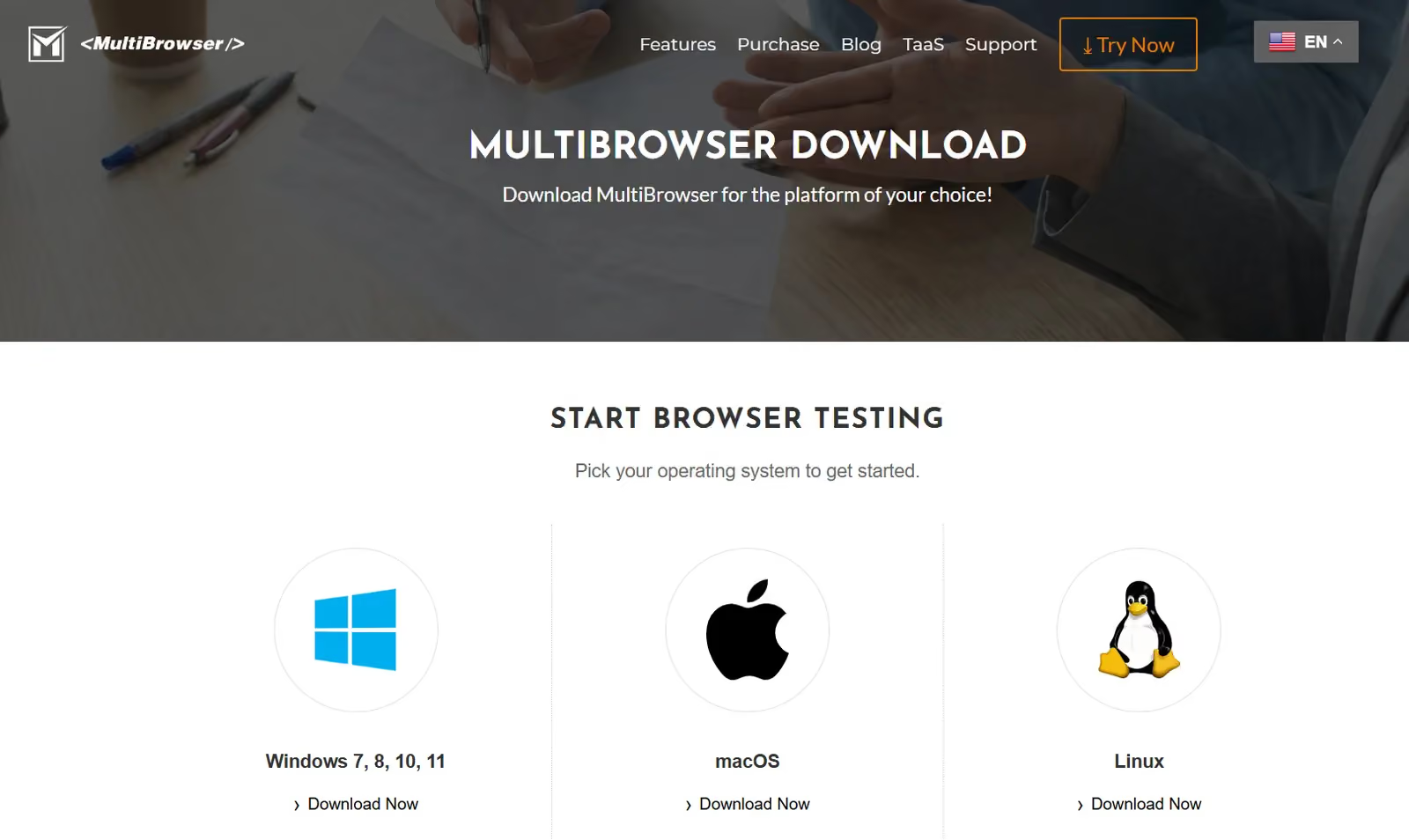
Mobile emulation covers layouts, orientation, and touch-oriented pages on a desktop. Physical devices add the actual operating system, browser, and hardware behavior. MultiBrowser 9.7.3 also adds Android emulator and APK testing through Appium.
Registration and Initial Setup
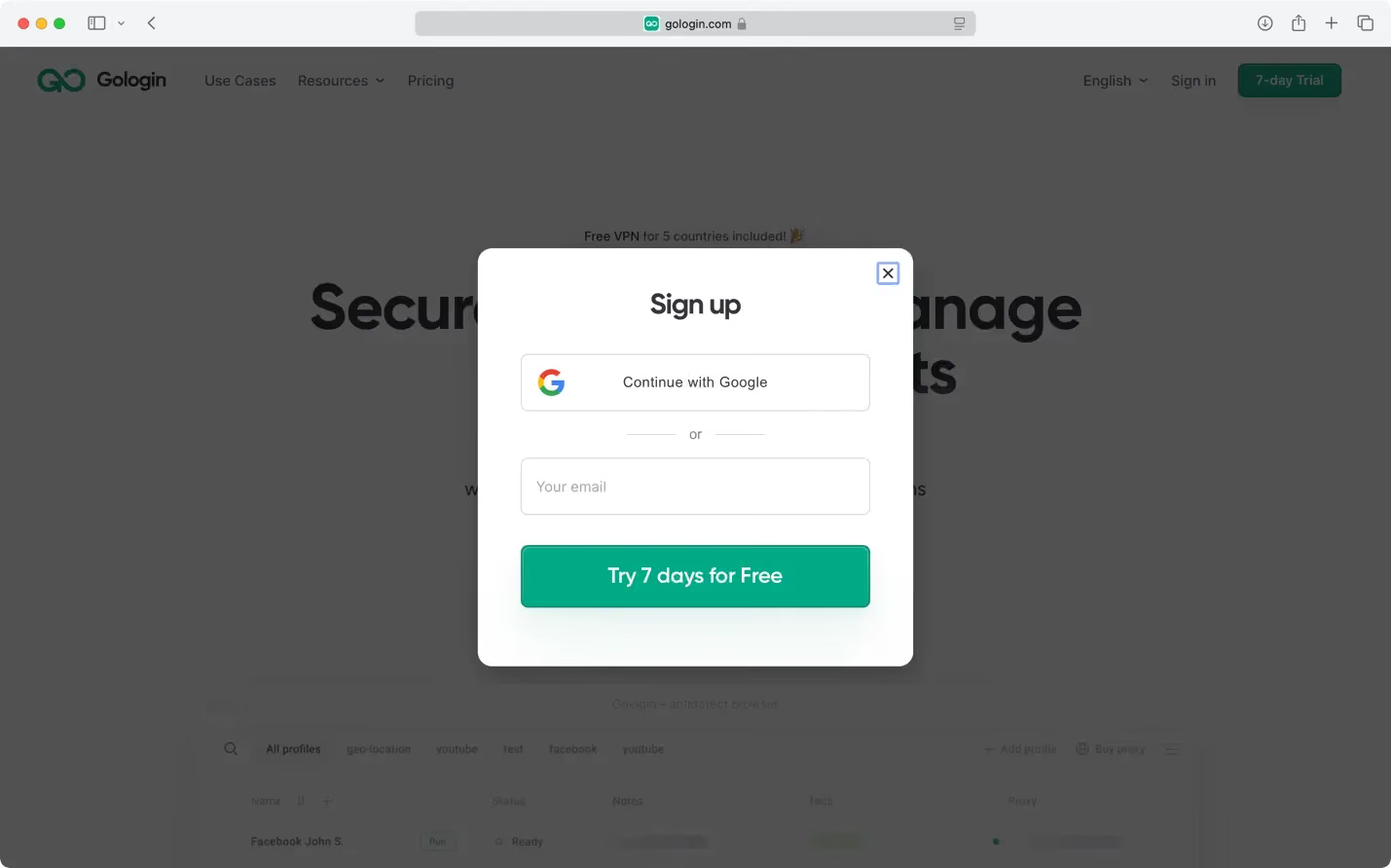
Gologin lets me register through its site or app, with a seven-day trial and a free three-profile plan. Signup supports email and Google sign-in.
I paid USD 0.99 for a one-day MultiBrowser evaluation and received a license key and download link by email. MultiBrowser also sells monthly subscriptions and perpetual licenses.
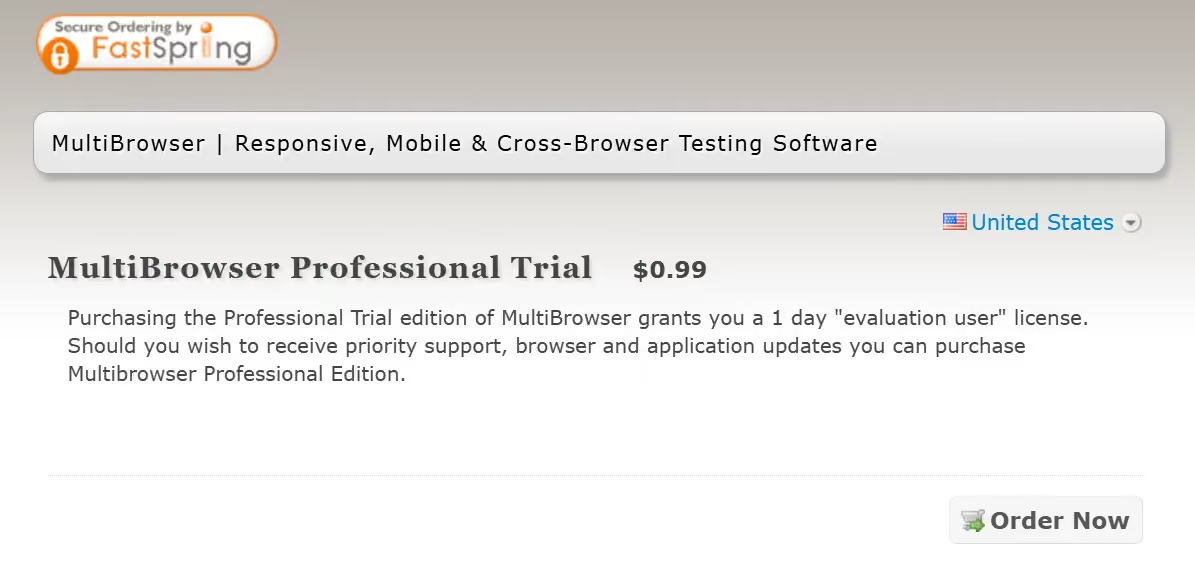
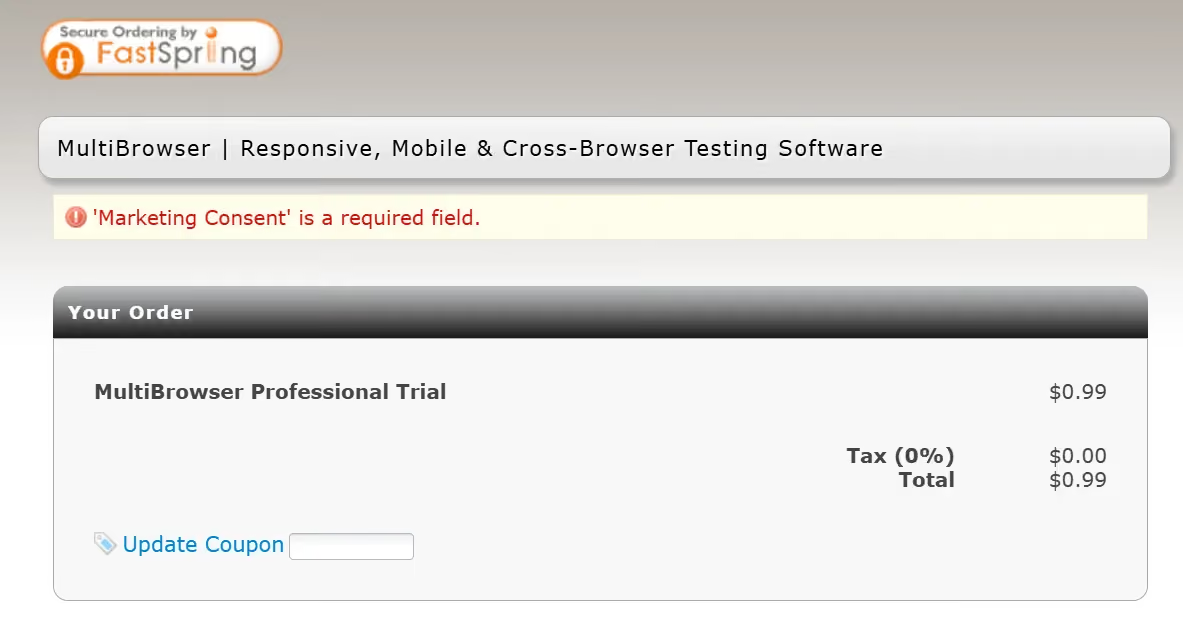
The checkout required marketing consent. I had to complete that field before continuing with the USD 0.99 evaluation. That is an annoying condition for a simple software trial.
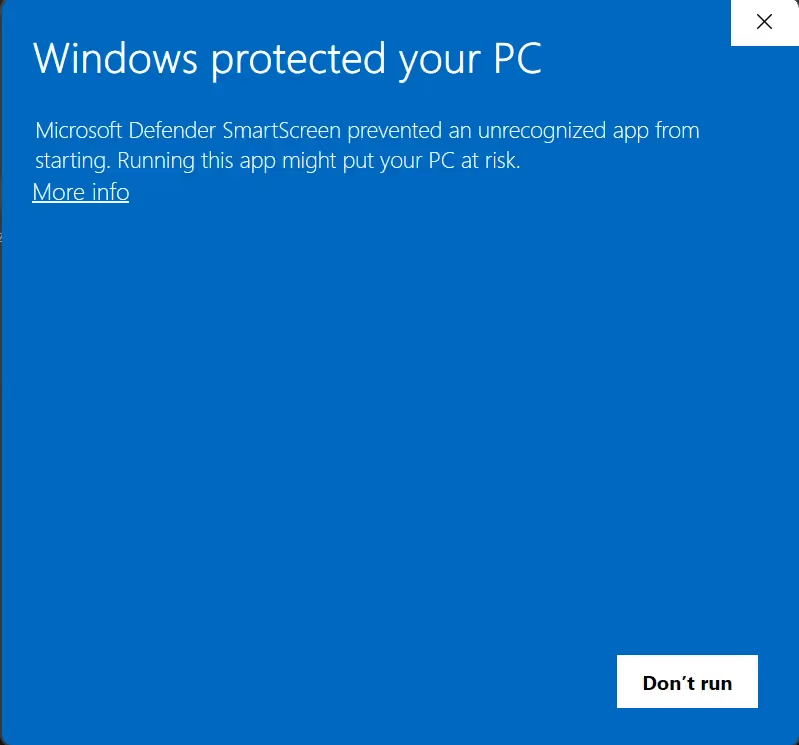
Windows marked the installer as an unrecognized app through Microsoft Defender SmartScreen. My installation then stalled for about 15 minutes. I closed the process through Task Manager and installed it again, which worked. Losing that time during a one-day paid evaluation was a poor start.
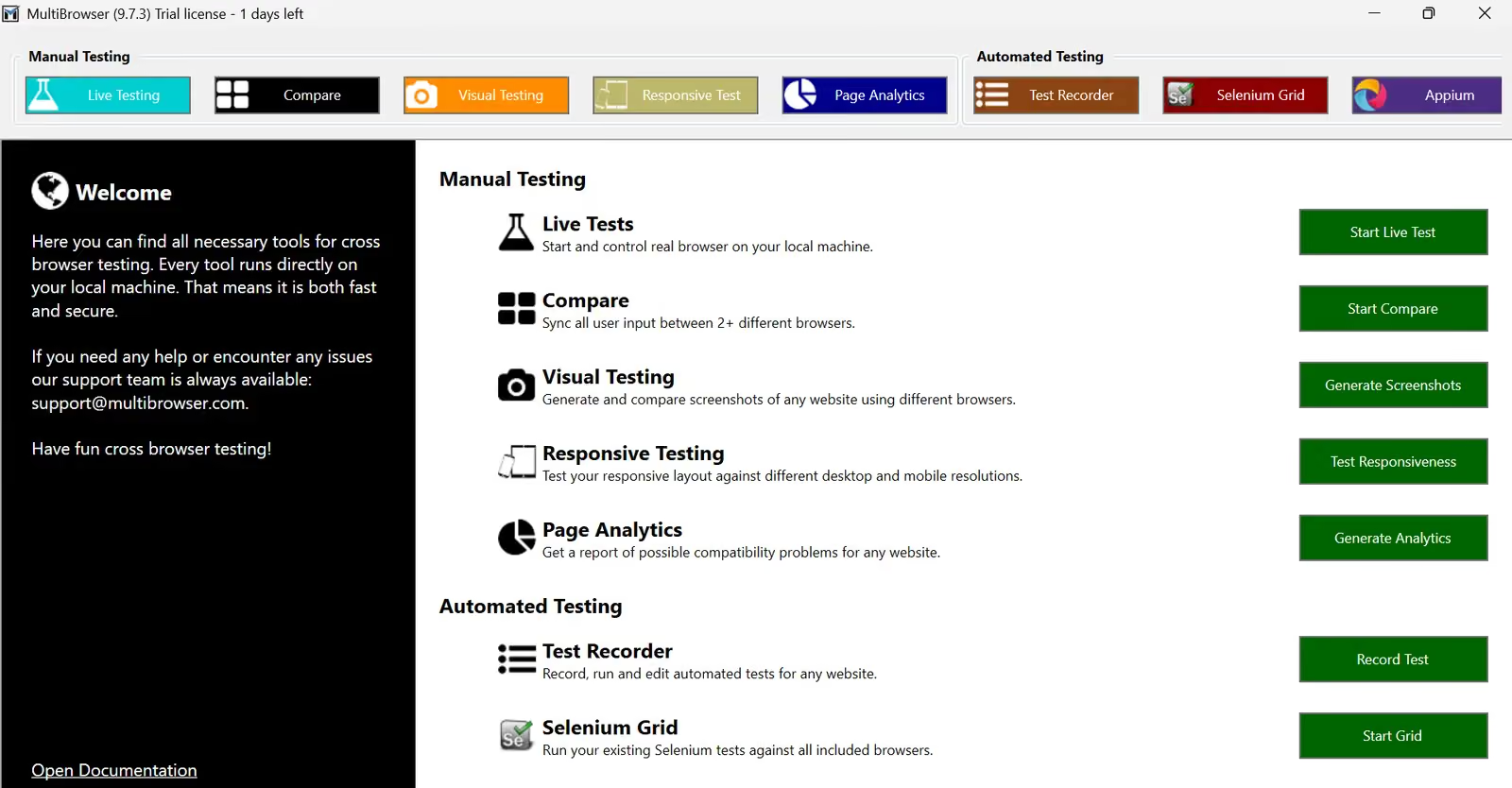
Interface and Browser Setup
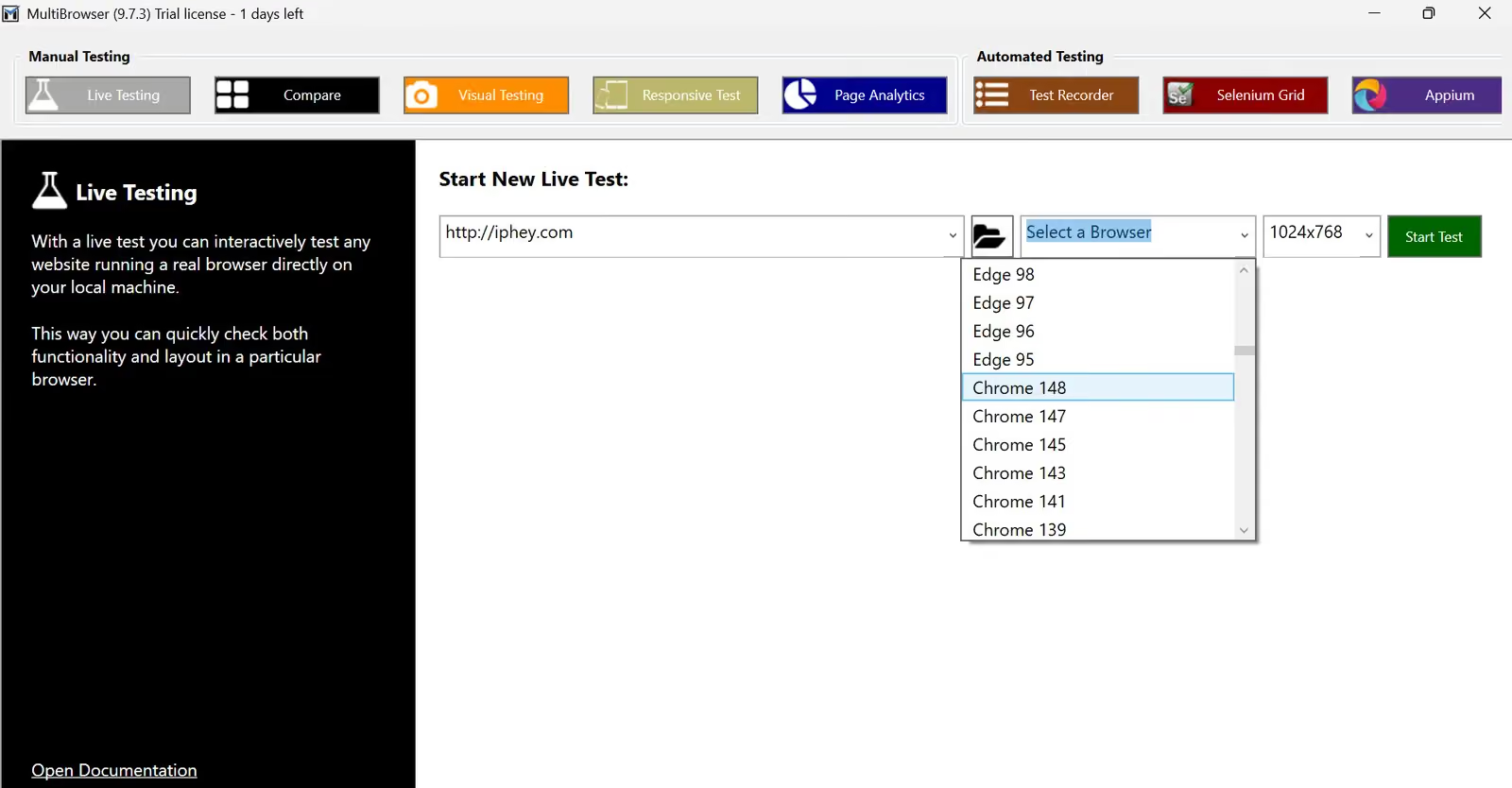
MultiBrowser’s interface is functional but dated. Its brightly colored tabs separate Live Testing, Compare, Visual Testing, Responsive Test, Page Analytics, Test Recorder, Selenium Grid, and Appium. The labels explain the tools reasonably well; the interface feels like a desktop QA console rather than an account-management workspace.
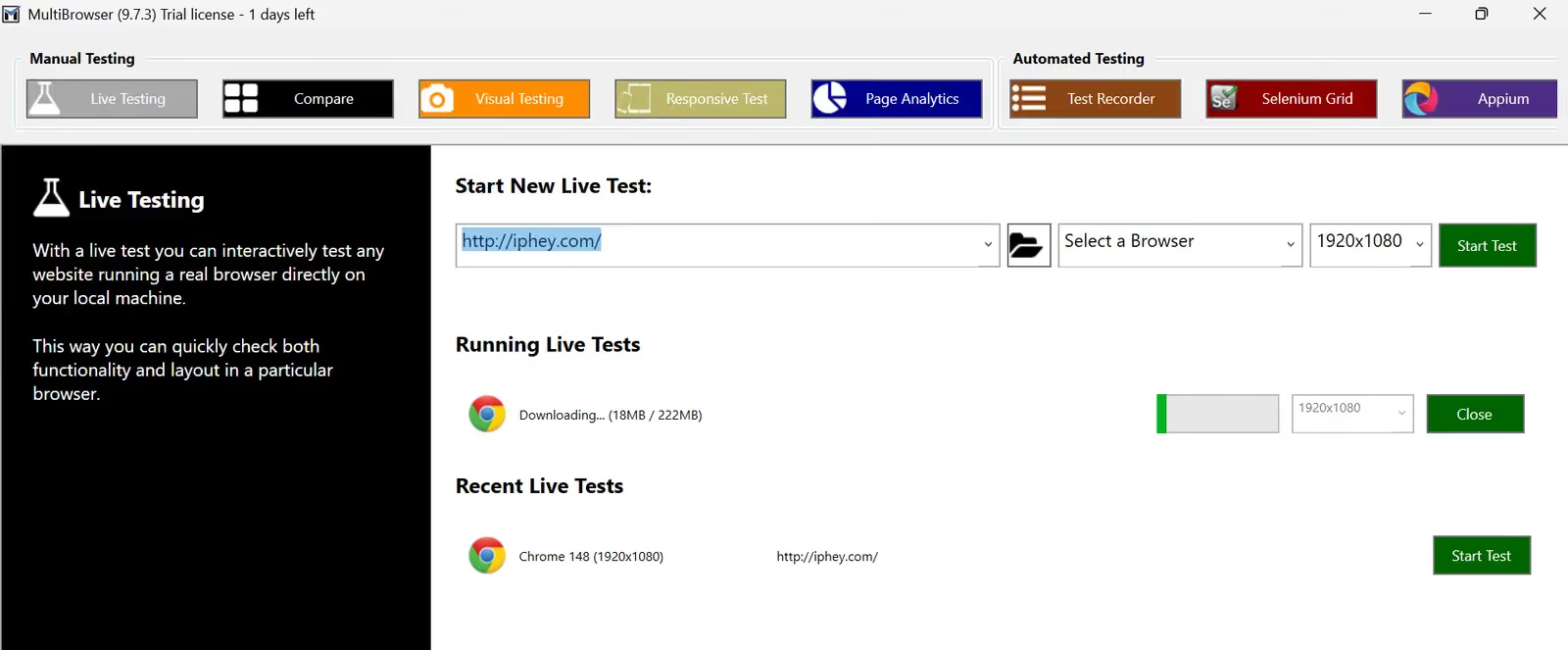
I started a live test by entering a URL, selecting a browser, and choosing a resolution. MultiBrowser downloaded the selected browser package before opening it. Each browser version needs its own package, adding another step to the initial setup.
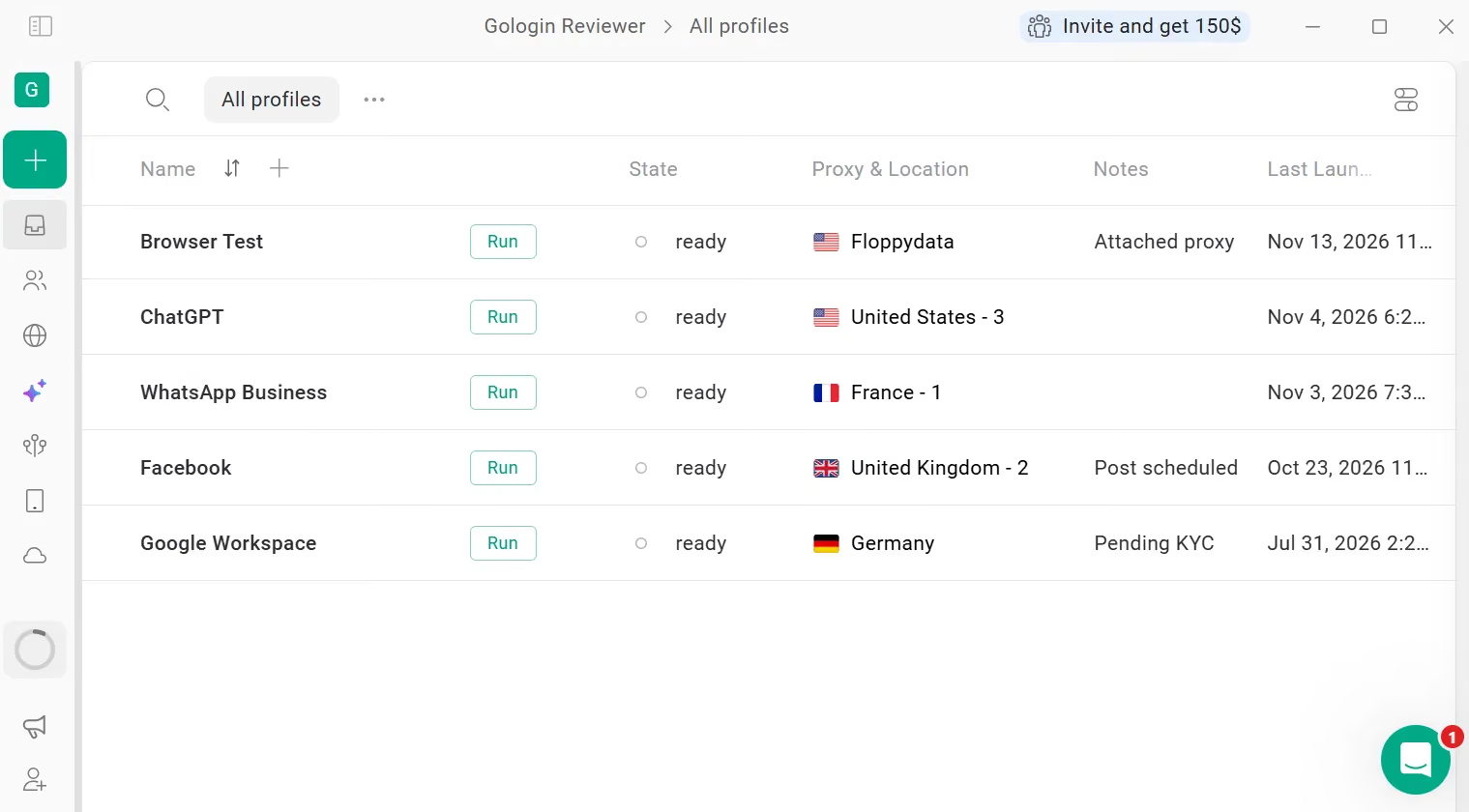
Gologin instead opens a profile table, where I can create a profile, assign a proxy, and return to its saved session later. Creating profiles individually or in bulk serves a different purpose from selecting a browser version for a temporary compatibility test.
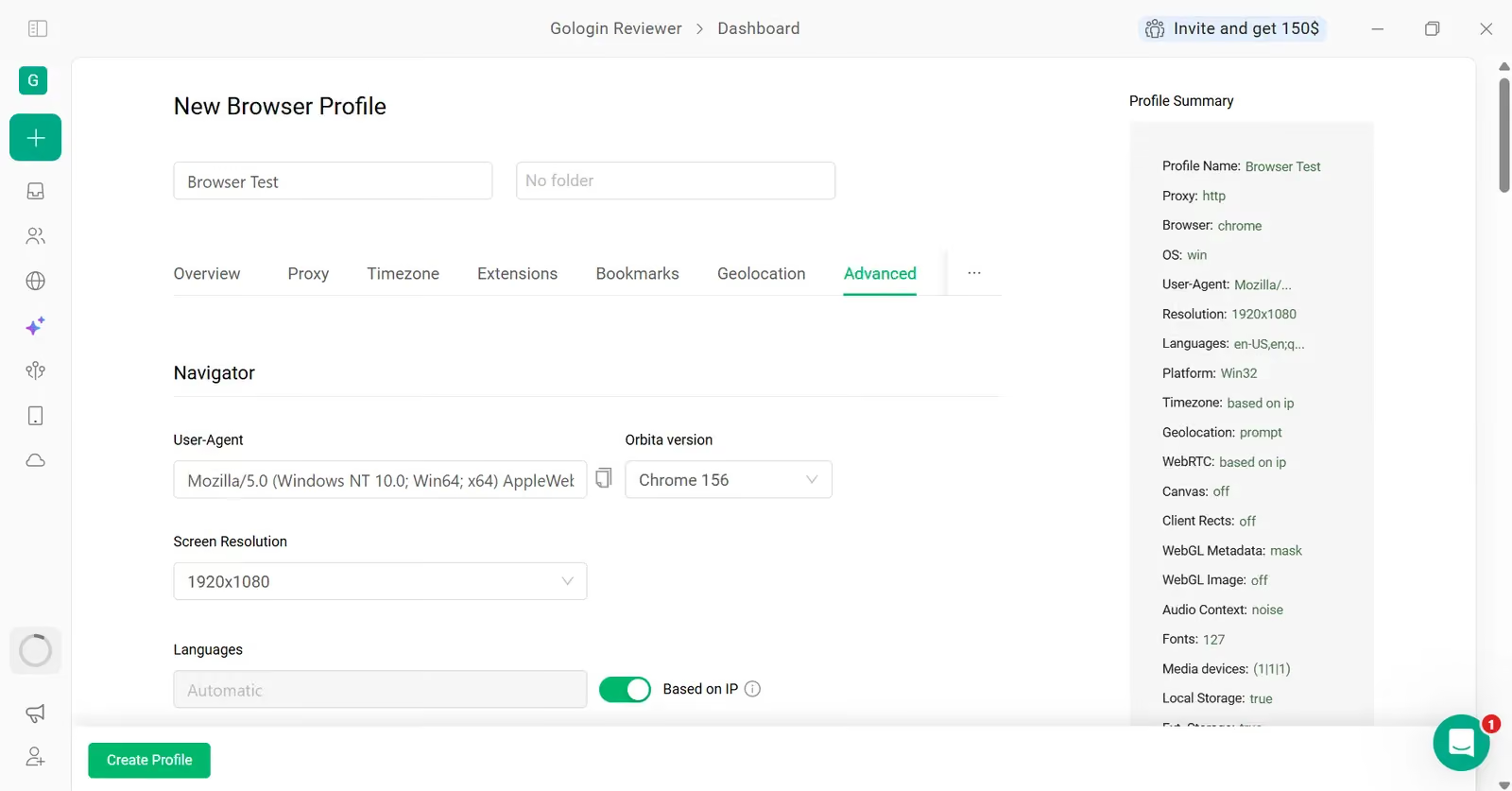
Gologin’s profile settings include operating-system identity, proxy, language, time zone, geolocation, and fingerprint controls. These settings support separate account environments. For cross-browser QA, I need to test the actual browser engines.
Pros/Cons & Trustworthiness
So far, I have compared Gologin and MultiBrowser by explaining how they work and what features they offer. However, both browsers have their own pros and cons, so it’s time to check those as well, including their online reputation.
Gologin
| Pros | Cons |
|---|---|
| Beginner-Friendly UI: Even inexperienced users won’t have a hard time figuring out how Gologin works. | Focus on Chromium: Gologin is based on Orbita, a Chromium-based web browser, which might be limiting to some. |
| Anti-Fingerprinting: You can count on 50+ fingerprint parameters to create unique browser profiles. | No Cookie Bot: Gologin could benefit from a cookie bot to help with anti-detection and bot-related checks. |
| Multi-User Support: Gologin offers in-depth team collaboration features, making it suitable for large teams as well. | Paid additional seats: Additional team seats can cost extra on top of your active subscription |
| Frequent Updates: Expect frequent updates that improve Gologin’s security and anti-detection technologies. | Performance Variability: Running a large number of browsing instances might be resource intensive. |
On Trustpilot, Gologin has more than 300 user reviews. On G2, it scores 4.7/5.0 based on 79 reviews and 4.6/5 on Capterra.
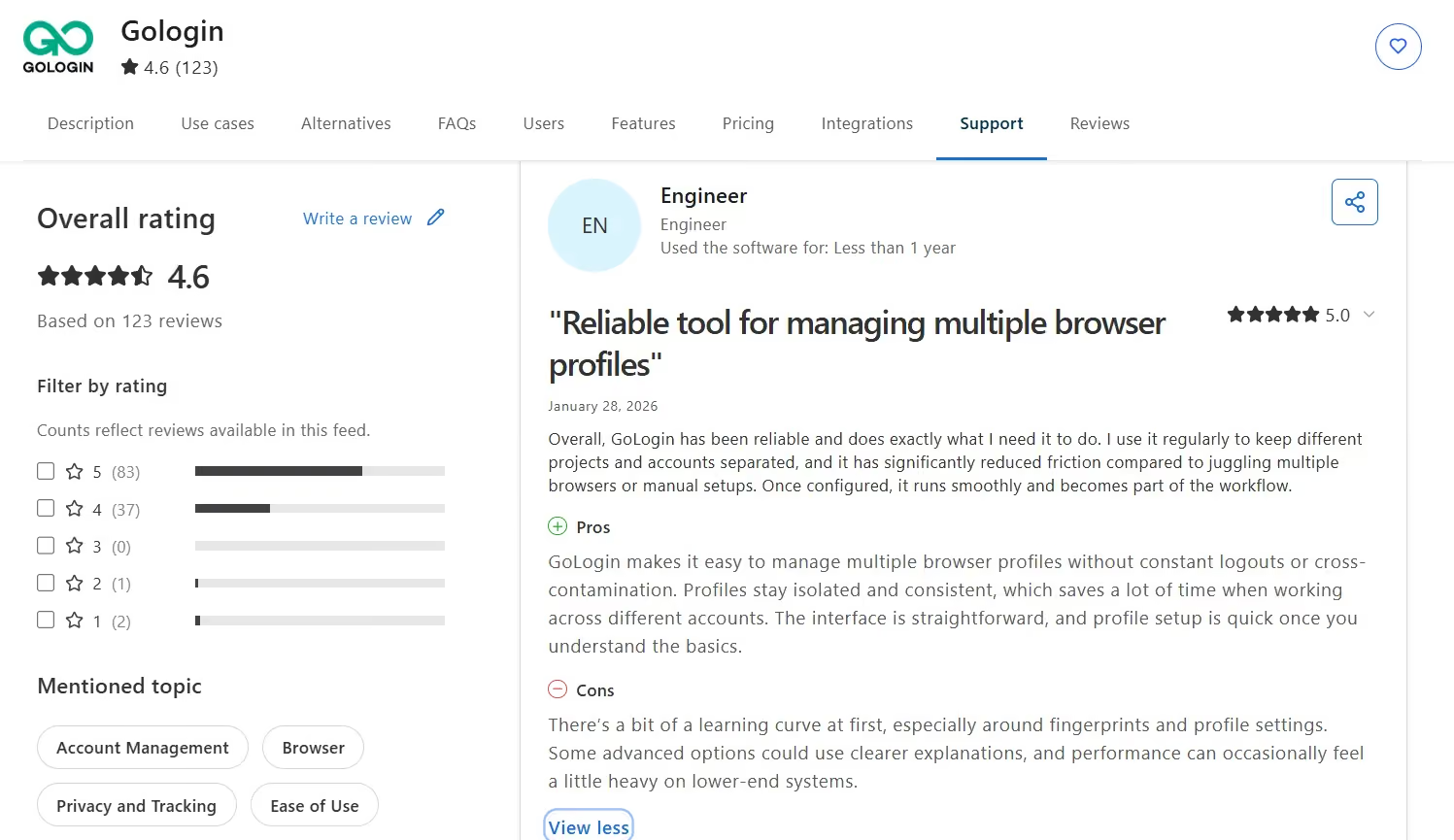
That said, it’s evident that Gologin has a large user base and that its customers are satisfied. User reviews highlight Gologin’s ease of use, profile organization, and team collaboration features.
The support team is available 24/7 to help on every user request as soon as possible. The support is at the same level for free and paid users. The team provides help on the Live Chat, inside the app or on the website.
When you need assistance, team responds to all messages in <5 minutes. The support quality is often mentioned on client feedback.
Next, let’s check out the pros and cons of MultiBrowser:
MultiBrowser
| Pros | Cons |
|---|---|
| Great for Website Testing: MultiBrowser focuses on automation-powered website testing more than anything else. | No Mobile Apps: While it works on desktop operating systems, MultiBrowser doesn’t support Android, iOS, or iPadOS. |
| Support for Multiple Browsers: You can emulate various legacy and modern browsers, including mobile systems. | No Cloud Syncing: There’s no cloud synching, which makes team collaboration much more difficult. |
| Built-In Automation: Thanks to built-in automation, you can do and record tests without any programming experience. | Learning Curve: MultiBrowser offers a somewhat complex interface, which doesn’t seem suitable for beginners. |
| Local Profile Storage: MultiBrowser prioritizes local storage, so there are no cloud-based risks involved. | Slow Development: You can expect a couple of software updates per year, which could be a major downside. |
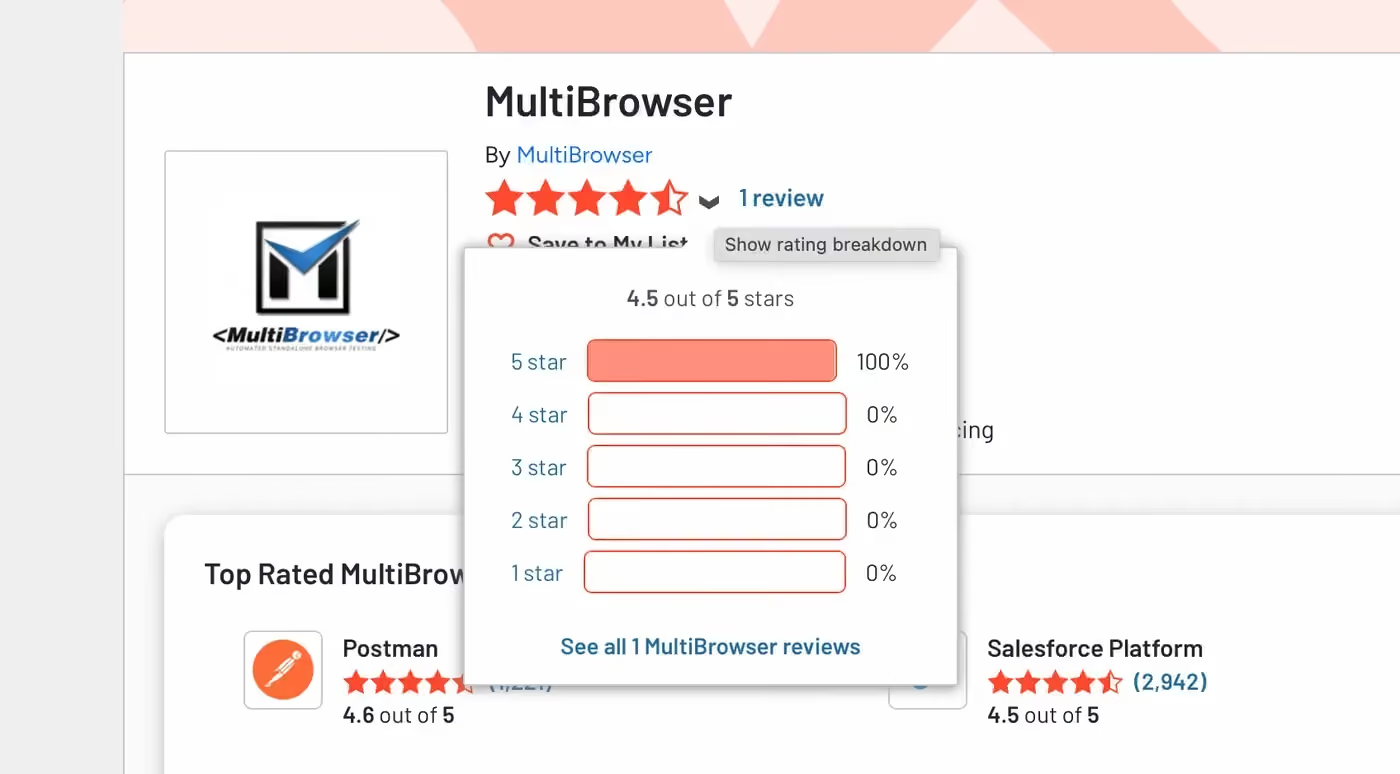
Surprisingly, MultiBrowser has no reviews on Trustpilot, the world’s most popular user reviews aggregator. On G2, you’ll find a single review only and a score of 4.5/5.0. With so few reviews, its reputation is hard to judge.
What Can I Test with MultiBrowser?
MultiBrowser’s feature page describes local browser instances, mobile emulation, responsive screenshots, recording and playback, source-code export, and build-server integration. The tools make most sense when I have a specific browser, layout, or interaction to check.
- Live testing: explore a page interactively in a selected browser version.
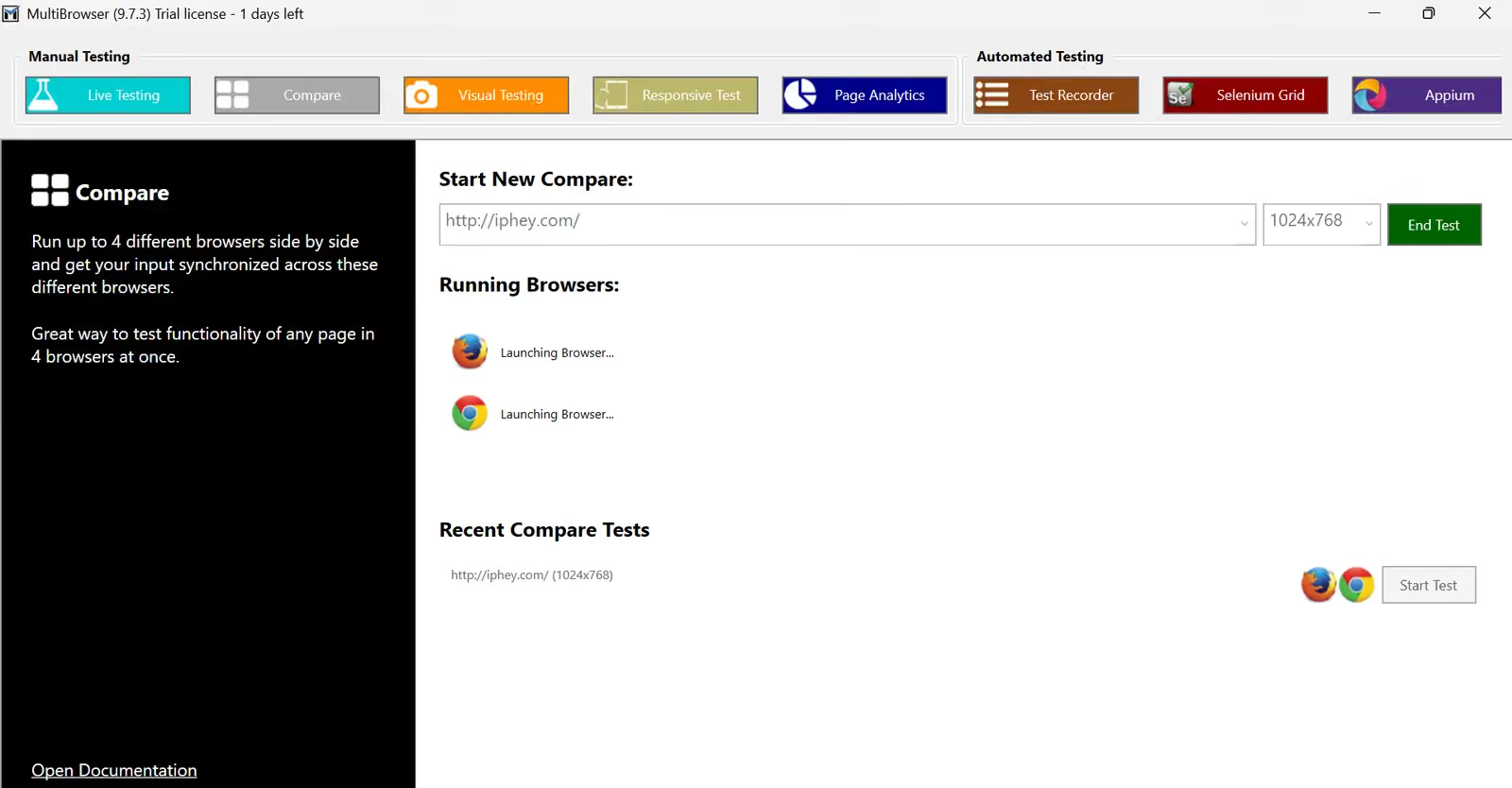
- Compare: open up to four browsers side by side and synchronize input to inspect differences.
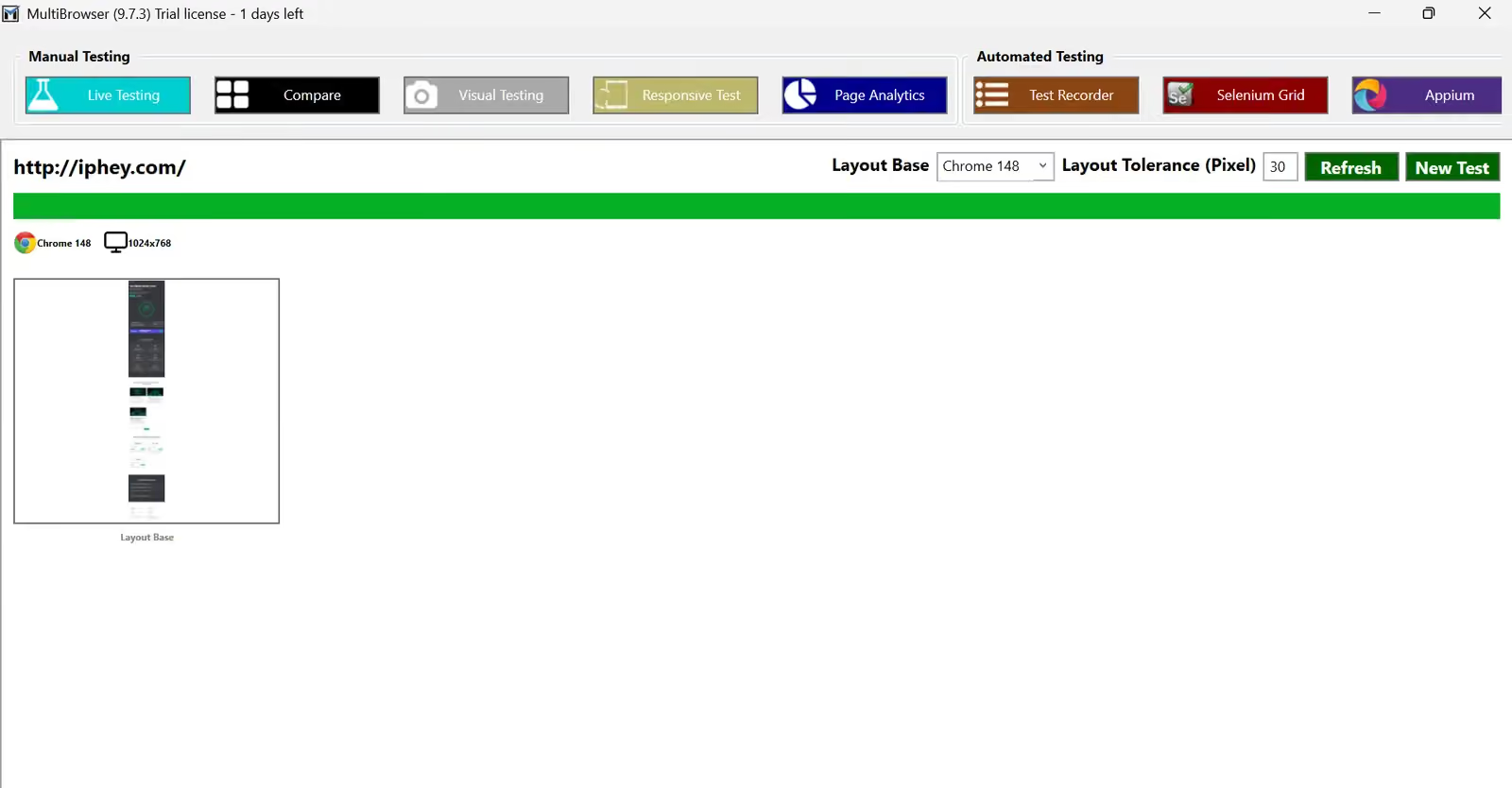
- Visual and responsive checks: capture page layouts at selected browser versions and sizes, then compare them with an approved baseline.
- Functional regression: record a flow, replay it, and inspect whether the expected behavior occurs. The app also includes Selenium Grid, a route for existing Selenium tests.
- Appium: the latest release adds Android browser and APK testing in emulators. This is a separate workflow from desktop rendering checks.
Useful scenarios include a broken menu in one browser, a form that stops submitting after a release, or a layout that overflows at a particular width. Mobile emulation handles preliminary layout checks; physical-device testing covers the complete mobile experience.
My Compare and Visual Testing Observations
I started Chrome and Firefox sessions in the Compare view. The tool opens the same test URL in multiple browsers and synchronizes input, making it useful for inspecting layouts and interactions side by side.
Visual Testing captured the page and displayed controls for the layout base and comparison tolerance. This gives me a clear view of rendering differences. Comparing captures against an approved baseline turns that inspection into a useful regression check.
Iphey Test: Automation Detected
I also opened Iphey in the Chrome 148 session. It marked the environment as Unreliable, with an MX score of 60. Its Software check marked two automation signals, and Chrome’s banner confirmed that automated test software controlled the browser.
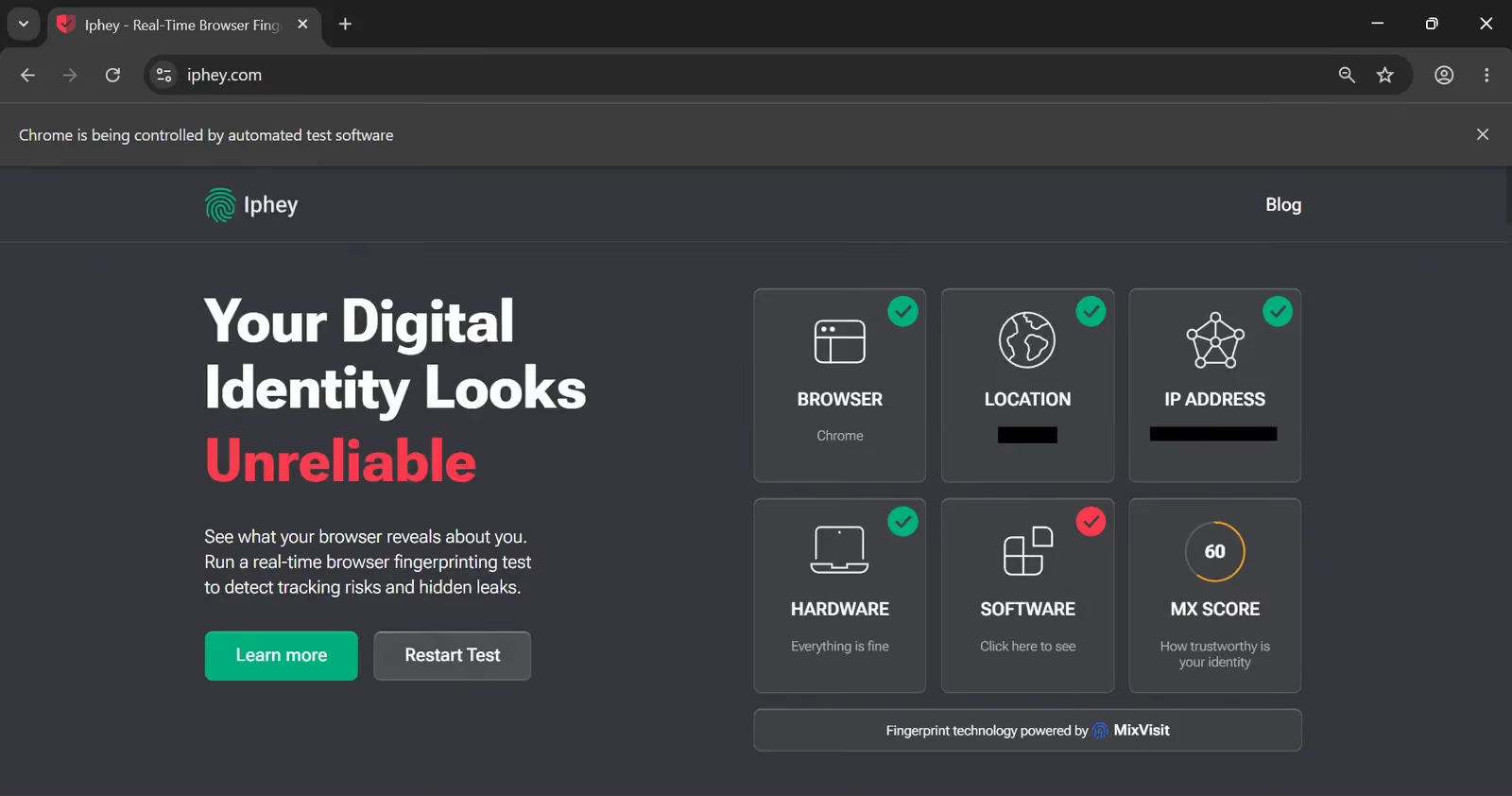
This result makes MultiBrowser a poor fit for sensitive account work. It runs openly automated browser sessions, which suits QA. I keep real customer accounts out of this workflow and use test accounts instead.
I selected 1920×1080 in MultiBrowser, while Iphey reported 1280×720. The dimensions differ by exactly 1.5×, which is consistent with display scaling. Page zoom and display scaling change the relationship between CSS pixels and physical pixels. MDN explains this distinction.
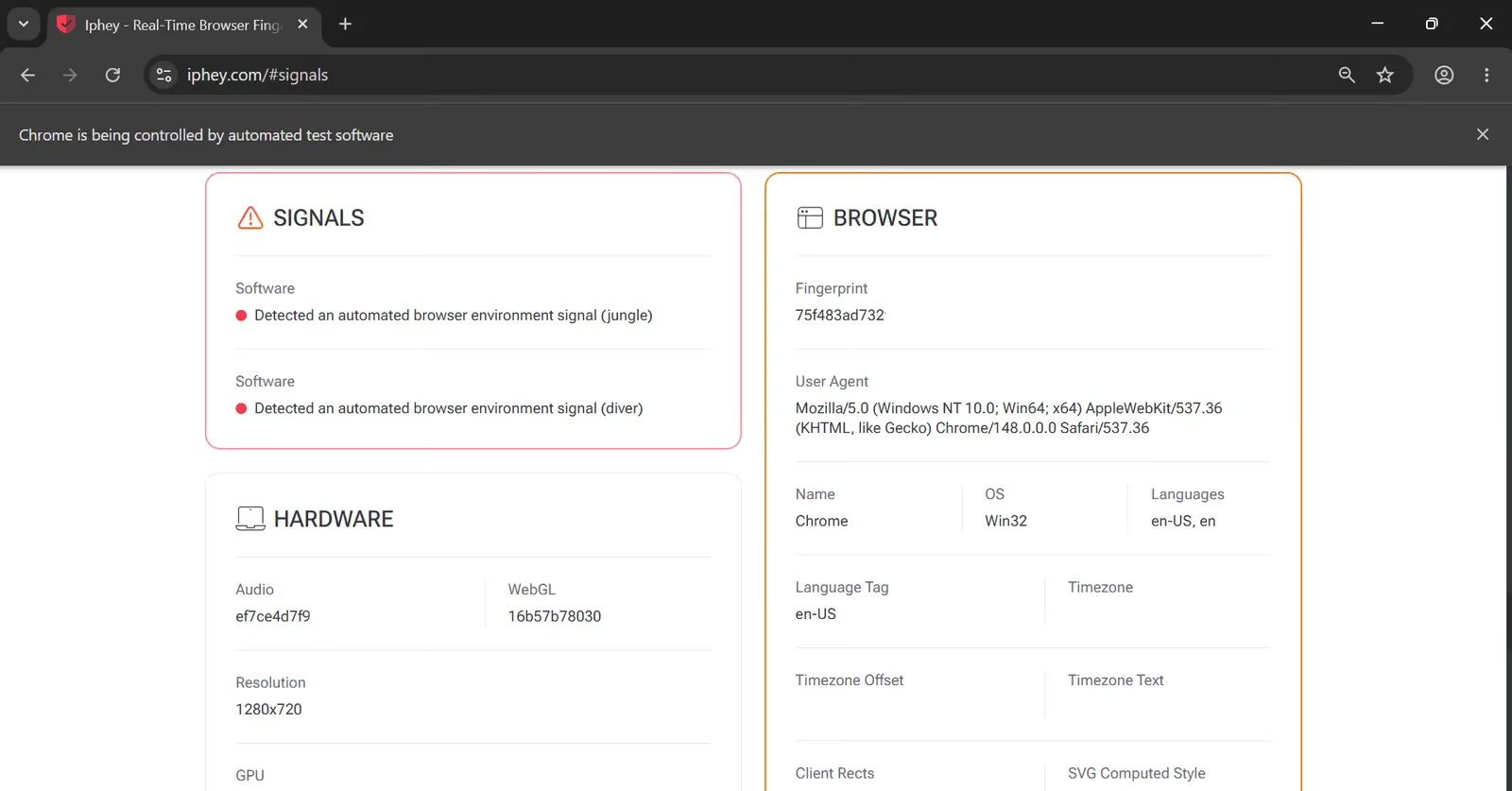
Responsive testing depends on the actual browser viewport. I treat the resolution preset as a setup control and use the page’s actual dimensions to judge layout and breakpoints.
| Check | What I observed | My verdict |
|---|---|---|
| Setup | About 15 minutes stalled; retry worked | Frustrating first-run experience |
| Live session | Chrome 148 downloaded and opened Iphey | Basic launch worked |
| Compare | Browser-launch workflow shown | Side-by-side browser inspection |
| Visual Testing | Captured layout displayed | Captured layouts for comparison |
| Iphey | Unreliable; MX 60; automation signals | Automation detected |
| Resolution | 1920×1080 selected; 1280×720 reported | Preset and reported size differ |
Latest Version and Updates
The live release page lists MultiBrowser 9.7.3 on November 2, 2026, matching my app’s title bar. That release adds Appium browser and APK testing, installation helpers, code generation, and platform improvements. The preceding entries are September 2, 2026 and April 15, 2025: development is active, but the gaps are uneven.
Chrome 148 was available in my app, and Iphey reported the same version. Chrome 148 is ten major versions behind Chrome 158, the stable release on November 17, 2026. The available browser packages determine which compatibility checks MultiBrowser can handle. An updated desktop app is useful, but browser-version coverage is the more useful measure for QA.
MultiBrowser’s company page identifies TDG Corp. in Turkey as the owner and developer, following earlier development by TWD Solutions in Singapore.
MultiBrowser offers email support, help docs, and a chatbot on their website but does not list active support hours. Gologin advertises 24/7 expert support, which is a better fit for account work that continues beyond office hours.
Do AI Agents Make MultiBrowser Harder to Recommend?
For a new web-testing workflow, I find a paid local suite harder to justify. Playwright’s test agents can explore an application, produce a test plan, generate executable tests, and help repair failing tests. That goes beyond repeating a recorded sequence or inspecting a few screenshots.
For example, I can ask for a guest-checkout plan, turn the approved cases into executable tests, and rerun them after a release. Clear assertions and repeatable reports make failures easier to investigate and keep the test suite useful as the site changes.
For a new web-testing project, I would choose an AI-assisted framework. It gives me a test plan, executable checks, and results I can review and rerun after a release. MultiBrowser remains actively developed, as its November Appium update shows, but its local workflow has a narrower appeal.
MultiBrowser fits teams already using its recorder, Selenium Grid, browser packages, or local emulators. For a team starting from scratch, I would favor an AI-assisted framework for building and maintaining tests in its own codebase.
Why I Prefer Gologin for Account Automation
For automation that needs saved accounts and consistent profile settings, Gologin is the better fit for me. It combines the profile workspace with several automation routes:
- API: manage profiles and integrate them into scripted workflows, with supported browser-automation tooling.
- MCP: connect an AI client to Gologin’s profile and session tools. The official Gologin MCP server manages profiles, proxies, folders, and cloud-session startup. A separate browser-automation client handles navigation, clicks, and form actions.
- AI Assistant: run templates or describe a custom task in plain language. It works with new or existing Gologin profiles and provides cloud execution, logs, and screenshots. Access is included in paid plans.
A practical workflow is to reuse an authorized store account to collect product data, or open a client profile for a repeatable reporting task. MultiBrowser’s recorder serves application testing; Gologin’s persistent profiles serve work that depends on the account and its saved session.
For account workflows, persistent sessions are Gologin’s main advantage. The API, MCP integration, and AI Assistant build on the same saved-profile workspace.
Pricing and Plans
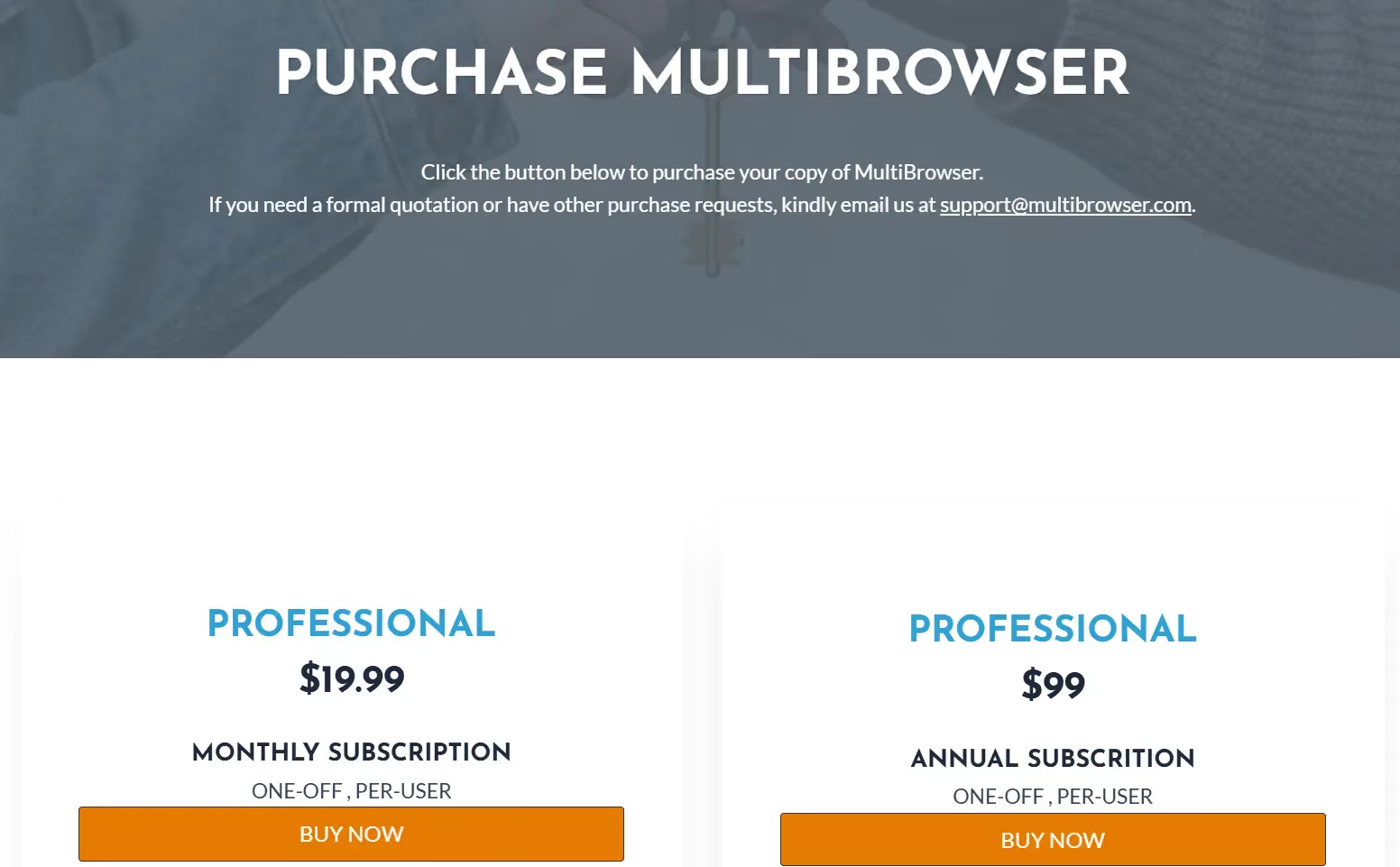
I checked MultiBrowser’s purchase page and Gologin’s pricing page on November 13, 2026.
MultiBrowser Pricing
| Option | Price per user | Listed coverage |
|---|---|---|
| Evaluation | USD 0.99 | One day |
| Monthly subscription | USD 19.99/month | One month of browser and app updates |
| Annual license | USD 99 | Perpetual license; one year of priority support and updates; optional yearly renewal |
The USD 99 license works out to USD 8.25/month for the first year. Twelve monthly payments total USD 239.88, making the annual option the clear value choice for a year of use. Each option includes the listed browser, mobile-emulation, recording, and responsive-testing features.
Gologin Pricing
| Plan / profiles | Monthly USD | Annual billing: USD/month |
|---|---|---|
| Professional 10 | 9 | 4.50 |
| Professional 25 | 19 | 9.50 |
| Professional 50 | 29 | 14.50 |
| Professional 100 | 39 | 19.50 |
| Business 300 | 99 | 49.50 |
| Enterprise 1,000 | 179 | 89.50 |
Gologin also lists Business 500 at USD 139/month (USD 69.50/month billed yearly) and Custom 2,000 at USD 279/month (USD 139.50/month billed yearly). Professional 10 costs USD 54 with annual billing, compared with USD 99 for MultiBrowser’s perpetual user license. These prices buy different things: ten persistent Gologin profiles or one MultiBrowser testing-software license. Gologin wins on entry price; MultiBrowser’s value rests on its QA tools.
Gologin’s USD 9 plan includes 2 GB of residential proxy traffic. MultiBrowser’s published plans list no included proxy traffic. Every paid plan also includes profile sharing, the cloud browser, Cloud Android, and the REST API. Team members start on Business plans with one included, and each extra member costs USD 10 a month. Extra residential traffic comes in 10–100 GB bundles at USD 1.59 to 1.19 per GB.
Gologin offers three free profiles and a seven-day trial. MultiBrowser’s evaluation costs USD 0.99. MultiBrowser’s FAQ lists a 14-day refund policy; Gologin’s pricing page lists seven-day returns.
MultiBrowser vs. Gologin: Final Verdict
MultiBrowser is a poor choice for managing business accounts or running account-based AI workflows. It organizes work around test URLs, browser versions, comparisons, and recordings. The paid evaluation, stalled installation, and separate browser downloads made setup more cumbersome than I expected.
| Comparison Criteria | Gologin | MultiBrowser |
|---|---|---|
| Reliability | ✅ | ✅ |
| Security | ✅ | ❌ |
| Features set | ✅ | ✅ |
| Comfort of use | ✅ | ❌ |
| Beginner-friendly | ✅ | ❌ |
| Support quality | ✅ | ❌ |
| Quick profile creation | ✅ | ✅ |
| Country of origin | 🇺🇸 | 🇹🇷 |
| Frequent updates | ✅ | ❌ |
| Free plan / no-cost trial | ✅ (3 profiles free forever + 7-day free trial) | ❌ (no free tier — cheapest access is a paid $0.99/ 1-day evaluation, not a true trial) |
| Free in-app proxies | ✅ | ❌ |
| Desktop apps | ✅ | ✅ |
| Mobile apps | ✅ | ❌ |
| No-code automation | ✅ | ✅ |
| Annual license discount | ✅ (50% off across all tiers) | ✅ $99 perpetual license with one year of updates |
For a new QA project, I would choose an AI-assisted framework with explicit assertions and repeatable reports. MultiBrowser serves a narrower audience: teams already invested in its local browser packages, recorder, or Appium workflow.
For persistent account automation, my recommendation is Gologin. Its API, MCP integration, and AI Assistant provide more relevant routes from saved profiles to automated work. The lower starting price and included proxy traffic also make the entry plan easier to justify.
My choice is straightforward: MultiBrowser for an established local QA setup, an AI-assisted framework for a new cross-browser test suite, and Gologin for persistent account automation.
Try Gologin with its seven-day trial to check the profile and automation workflow against your own requirements.